
The Counter Offensive: Mental Health of Children in Sport Involving the Pressure to Win
Addresses the mental health stress faced by children in grassroots sports due to the pressure to win.
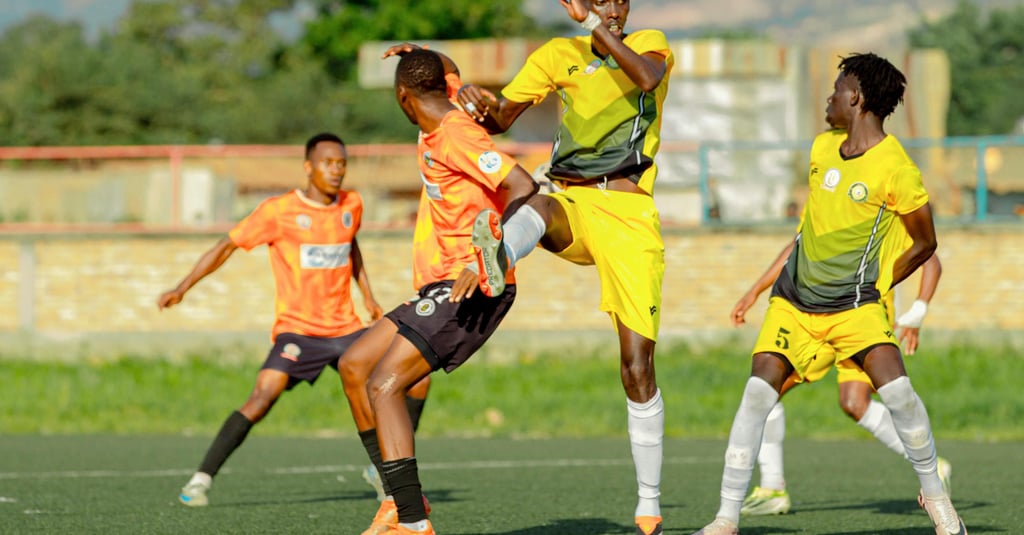
"The only thing you have to do to win is be in the race. Once you’re in it, you can win it." – Bronte Campbell
The Counter Offensive is a series of pieces that analyses the common approach to dealing with issues, why they fail, and a more unorthodox approach with greater chance of success.
Situation: Many children in grassroots sports experience significant mental health stress due to the pressure to win.
THE COMMON APPROACH
Concept of Operations (CONOPS): Focus on promoting sportsmanship and emphasizing that "having fun" is more important than winning.
Centre of Gravity (CG): The message conveyed by coaches, parents, and club officials.
Targetable Critical Vulnerabilities (TCVs): Despite the positive intent, this approach often falls short due to several reasons:
TCV 1: Mixed Messaging. Even with an emphasis on fun, the underlying competitive culture often contradicts this, leading to confusion and pressure on children. (eg. We still keep score).
TCV 2: Lack of Structured Support. Simply promoting fun without concrete programs or support systems leaves children without the necessary tools to manage stress.
TCV 3: External Influences. Media, peer pressure, and societal expectations reinforce the winning mentality, undermining the message of fun over competition.
THE COUNTER OFFENSIVE
CONOPS: Implement a structured mental health program that includes resilience training, mindfulness practices, and regular check-ins with mental health professionals.
CG: The holistic development and well-being of the child.
Method: To enact this CONOPS, the following Decisive Events (DEs) need to occur:
DE 1: Partner with Mental Health Professionals. Collaborate with psychologists and counselors to develop age-appropriate mental health programs tailored to young athletes.
DE 2: Integrate Mental Health Education into Training. Regularly (eg. Annually) schedule workshops and sessions focused on mental resilience, mindfulness, and stress management as part of the club's routine.
DE 3: Create a Supportive Environment. Ensure coaches, parents, and officials are trained to recognize signs of stress and provide a supportive, open environment for children to express their concerns.
What success looks like:
An example of a club partnering with mental health providers is the Geelong Football Club in Australia. They have collaborated with mental health organizations to support the mental well-being of their players and staff. Find out more here: https://timesnewsgroup.com.au/geelongtimes/news/gmhba-cats-team-up-to-improve-youth-mental-health/?form=MG0AV3
Are you ready to transform your sports club’s approach? Join the conversation and share your experiences with us! At Mission Command, we believe in empowering grassroots sports clubs to achieve their full potential. Contact us today at admin@missioncomd.com.au to learn how we can help your club thrive with innovative solutions and expert management. Together, let’s ensure every child has the opportunity to be involved in a sports team.