
Test and Adjust: The Key to a Dynamic Social Media Strategy
Test and adjust your social media campaigns to customise to your target audience.
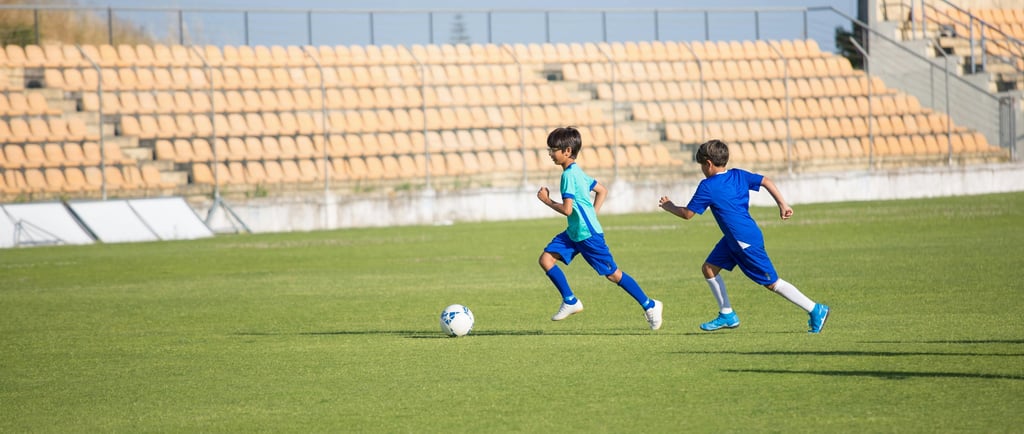

As we conclude our series on creating an effective social media strategy for sports clubs, it’s crucial to emphasise the importance of monitoring and adjusting your approach. This final step ensures that your efforts remain relevant, engaging, and effective in achieving your goals.
Why Monitoring Matters
Monitoring your social media performance is essential for understanding what works and what doesn’t. By regularly reviewing your metrics, you can identify trends, measure the success of your campaigns, and make informed decisions about future content. Key metrics to track include:
Engagement: Likes, comments, shares, and interactions.
Reach: The number of people who see your content.
Follower Growth: The increase in your social media followers over time.
Click-Through Rate (CTR): The percentage of people who click on your links.
Using tools like Facebook Insights, Twitter Analytics, and Instagram Insights can provide valuable data to help you refine your strategy.
Adjusting Your Strategy
Once you’ve gathered data, it’s time to adjust your strategy based on your findings. Here are some steps to consider:
Identify Successful Content: Look at which posts have the highest engagement and reach. What type of content resonates most with your audience? Is it videos, photos, or articles? Use this information to guide your future content creation.
Experiment Beyond Best Practices: While best practices are a great starting point, don’t be afraid to experiment. Try new features, collaborate with unexpected partners, or support social causes that matter to your audience. For example, HP’s successful TikTok campaign on recycling efforts shows how unorthodox thinking can lead to remarkable results.
Set Clear Goals for Experiments: When trying something new, define what success looks like. Set specific, measurable goals and benchmark them against past results. This will help you determine if your experiment is worth continuing.
Run Controlled Tests: Focus on one aspect of your strategy at a time. Whether it’s promoting a single event or using a new social media feature, keep your experiments manageable. Establish a timeline for each test to ensure it has enough time to yield meaningful results.
Monitor in Real-Time: Keep an eye on your experiments as they unfold. Be ready to adapt quickly based on what’s working and what’s not. For instance, if a particular type of post is performing well, consider creating more content in that style.
Document Your Findings: Keep detailed records of your experiments and their outcomes. This will help you and your successors avoid duplicating efforts and provide valuable insights for future campaigns.
Building a Community
Engagement is not just about numbers; it’s about building a community around your club. Encourage your audience to share their experiences, use your club’s hashtag, and participate in conversations. This sense of community can attract new members, sponsors, and volunteers, enhancing your club’s marketability.
Conclusion
Creating an effective social media strategy is an ongoing process. By monitoring your performance and being willing to adjust your approach, you can ensure that your grassroots sports club remains dynamic and engaging. Remember, the goal is to create a vibrant online presence that reflects the passion and dedication of your club, ultimately helping you achieve your vision of “Every child involved in a sports team.”
If you’re looking for expert guidance and support in managing your club’s social media strategy or other strategic and operation aspect, reach out to Mission Command. With our extensive experience in sports management and financial expertise, we can help your club thrive. Join us in our mission to get every child involved in a sports team. Contact us today to learn more about how we can assist your club in reaching its full potential.