
Rethinking Player Skill Divisions in Youth Sports
Challenging calls to separate youth sports players by skill level based on safety concerns.
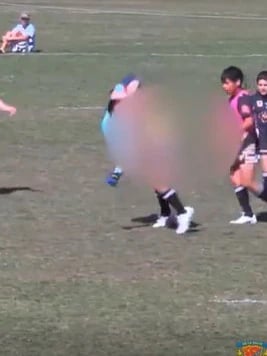
Situation: The recent incident of a 12-year-old boy suffering a shattered shoulder from a dangerous high tackle is heartbreaking. It has sparked calls for change in youth sports, particularly around separating players based on skill levels. While safety is paramount, we must carefully reconsider the implications of these proposals.
First and Foremost: My gut sinks for the boy and his family. No parent should have to see their child endure such pain, and no child should face such a traumatic experience while playing the sport they love. This incident highlights the urgent need for thoughtful solutions to ensure safety without compromising the essence of youth sports.
The Call for Change
Some argue that more skilled players should not play alongside less skilled ones to prevent injuries. While this may seem logical at first glance, it overlooks key dynamics of youth sports:
Higher Skill Levels Don’t Equal Aggression:
Kids in higher divisions aren’t there because they want to “smash each other.” They’re there because their skill level makes lower divisions less enjoyable. Playing at a higher level challenges them, keeps them engaged, and allows them to grow.
Ironically, dangerous tackles are more likely to come from less skilled players who lack control and precision. Separating skilled players could inadvertently increase the risk of injury rather than reduce it.Inclusion Benefits Everyone:
I’ve witnessed firsthand how skilled players can elevate the game for less skilled teammates. When higher skilled players include lower skilled ones, the game becomes easier and more enjoyable for everyone. Skilled players provide control, structure, and opportunities for less skilled players to participate meaningfully, rather than chasing the ball aimlessly.Fostering a Culture of Respect and Sportsmanship:
The culture of the sport and the club must emphasise respect and sportsmanship above all else. Players should be taught to value their teammates and opponents, understanding that the goal is to enjoy the game—not to dominate or harm others. After all, the arse you kick today may very well be the butt you have to kiss tomorrow. Building a foundation of mutual respect ensures that players grow not just as athletes but as individuals who contribute positively to the game and their community.
While the call for change is understandable, separating players based skill levels to allay safety concerns is not be the answer. Instead, we should focus on creating inclusive environments where skilled players can guide and support their less skilled peers, enhancing safety and enjoyment for everyone.
By prioritising respect, sportsmanship, and thoughtful integration of skill levels, youth sports can remain a space where kids grow, learn, and thrive—without fear of injury. Let’s rethink the approach and ensure that every child can play safely and confidently.